Prepared by Christian Stapff and Jamie Sauder October 3, 2021
The Issue
Research shows that children who are repeatedly absent from preschool, kindergarten, and elementary school classrooms, for example, are up to 25.9% less likely to reach a comparable reading level to their peers by 3rd grade and have a four times greater likelihood of ultimately dropping out of school. (Knoster, 2016, p.4)
Chronic absenteeism can occur as early as preschool and kindergarten and has been shown to be related to future chronic absenteeism, grade retention, and poor academic achievement, particularly for social skills and reading. (Alison & Attisha, 2019) Student absenteeism presents a serious challenge to the academic progress and in-class learning of skills.
Yet attendance data is unlikely to change without effective intervention and support of the student and family. The above quotes are based on US data. However, social determinants of health are likely to affect attendance in similar ways in any country.
We know student absences are an issue (CBC, 2019). Allison & Attisha (2019) and
Garcia & Weiss (2018) lay out the effect of absenteeism in detail. Knoster (2016) offers
strategies to address student attendance for consideration. In my school district, we have one of the highest populations of students who are deemed most vulnerable (Student Success, 2020), with many students--First Nations students in particular--affected by absence from school. The current District Education Plan makes no reference to attendance as an indicator for success. However, current strategies seem to have had little effect in improving student attendance. Moreover, FN participation in this process is essential. The issue begs for attention.
The Plan

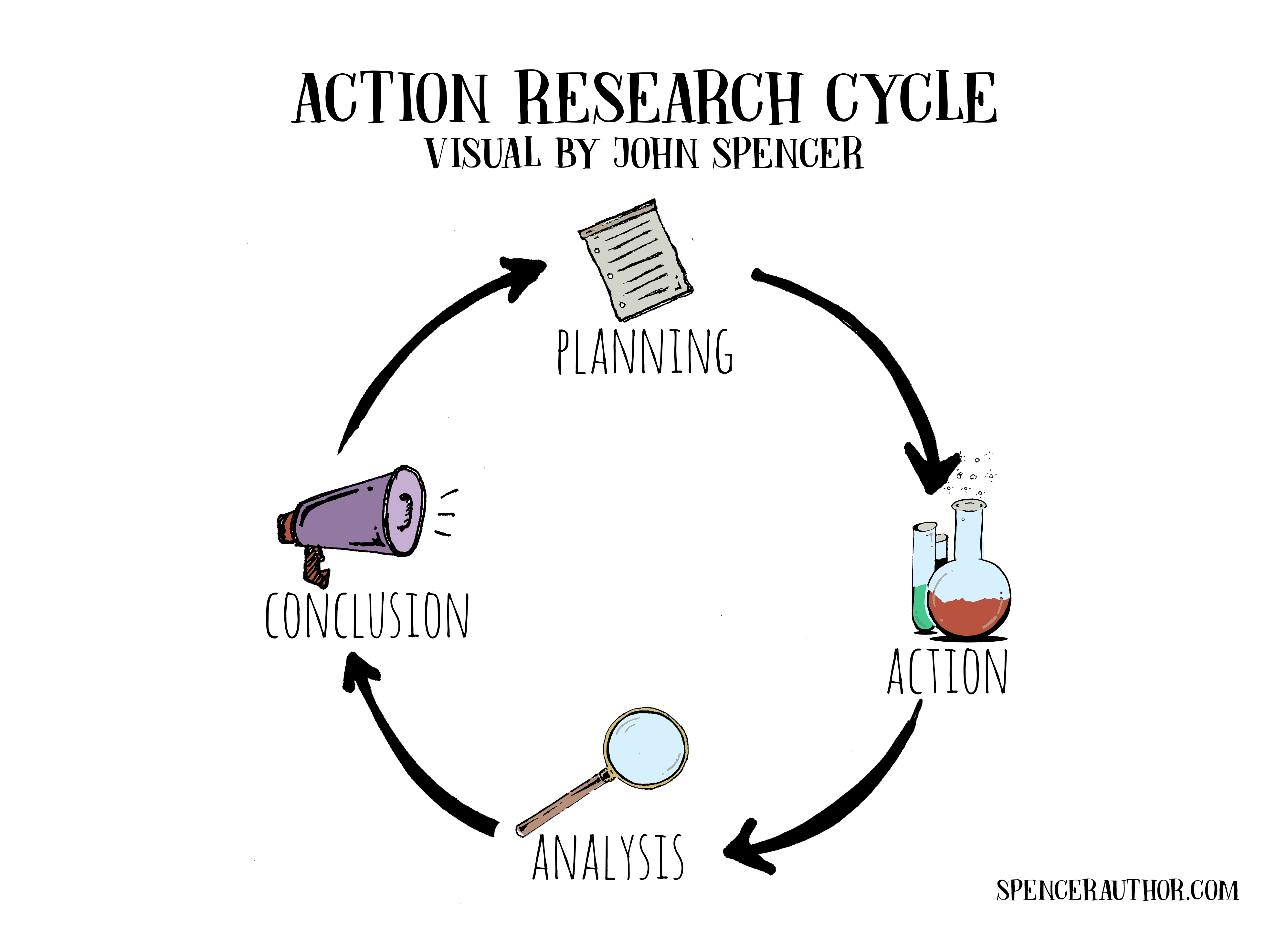
In order to effect positive change it is proposed that our school pilot an intensive focus on student attendance. In spring attendance can be analyzed from the current year and at risk students will be identified. These would be students who consistently miss days or chunks of school time. What we are looking for is a pattern of missing school over the year. Identifying them in May will set them up to begin receiving support in September.
Once students are identified, the school can then focus on identifying specific needs. This can be accomplished through parent/guardian and student interviews. Dialogue will centre around factors that parents/guardians feel contribute to their student being absent as well as the students’ views on why they are frequently away. These conversations can also ask for suggestions on ways to support the family.
Using existing school services such as counsellors, classroom teachers, administrators, and child care workers, a plan can be made to encourage student attendance. Things like having meals available, a quiet work place or area to be alone, after hours follow up and continued discussion would be used to encourage attendance. If needed, supports such as paediatricians, social workers, or outside therapists (occupational or physiotherapists) could be included.
This action research depends heavily on observation and attendance data. Those involved will be continuously checking in with participants, collecting qualitative data to improve services offered and support participants. Quantitative data can be collected through actual attendance numbers. At the end of the school year, a review should be done with participants before deciding if the program will continue into the next school year.

References
Allison, M.A., Attisha, E., and COUNCIL ON SCHOOL HEALTH Pediatrics. February 2019, 143 (2) e20183648; DOI: https://doi.org/10.1542/peds.2018-3648
CBC News · Posted: Feb 07, 2019 4:00 AM ET https://www.cbc.ca/news/health/school-absenteeism-pediatrics-1.5005670
Knoster, K.C., Strategies for Addressing Student and Teacher Absenteeism: A Literature Review ( 2016, November). eric.ed.Gov. Retrieved September 29, 2021, from https://eric.ed.gov/?id=ED584860
SD 84. District Education Plan 2019-22. Retrieved from https://sd84.bc.ca/wp-content /uploads/2020/08/District-Education-Plan-2019-22.pdf
Spencer, J. (2021). Action Research Cycle [Image]. Retrieved from https://sp-ao.shortpixel.ai/client/to_webp,q_glossy,ret_img,w_3986,h_2905/https://
spencerauthor.com/wp-content/uploads/2017/01/action-research.png
Student Success. British Columbia Ministry of Education. 2020. Retrieved from https://
studentsuccess.gov.bc.ca/school-district/084/report/students-entering-school

No comments:
Post a Comment